If you've ever looked in the mirror and wished your smile were a few shades brighter, you're not alone. What is teeth whitening? Simply put, it's a cosmetic dental procedure that uses bleaching agents — most commonly hydrogen peroxide or carbamide peroxide — to break down stain molecules on and within your tooth enamel, revealing a noticeably whiter, more radiant smile. According to the American Academy of Cosmetic Dentistry, tooth whitening remains one of the most requested cosmetic dental treatments in the United States, with the global teeth whitening market projected to exceed $8.2 billion by 2026. Whether you're preparing for a big event, a job interview, or simply want to feel more confident every day, understanding your whitening options is the first step.
How Does Teeth Whitening Actually Work?
Tooth discoloration falls into two categories: extrinsic stains (surface-level, caused by coffee, tea, red wine, and tobacco) and intrinsic stains (deeper discoloration inside the tooth structure, often caused by aging, certain medications like tetracycline, or excessive fluoride exposure during childhood). Teeth whitening treatments primarily target extrinsic stains, though professional-strength bleaching can also lighten some intrinsic discoloration over time.
The active bleaching agent — hydrogen peroxide or its cousin carbamide peroxide — penetrates the enamel and initiates an oxidation reaction. This reaction breaks apart the long-chain chromogen molecules responsible for staining, scattering light more evenly and making teeth appear significantly whiter. Most professional treatments use concentrations between 25% and 40% hydrogen peroxide, while over-the-counter products typically contain 3%–10%.
What Results Can You Realistically Expect?
Clinical studies show that professional in-office whitening can lighten teeth by an average of 6–10 shades on a standard dental shade guide in a single session. At-home professional kits typically achieve 4–8 shades of improvement over two to four weeks. Over-the-counter strips and toothpastes offer more modest results — usually 1–3 shades — and work best for mild, surface-level staining. Results also depend heavily on the original cause of discoloration; antibiotic-related staining, for example, responds more slowly and may require more advanced cosmetic solutions like porcelain veneers.
Types of Teeth Whitening Treatments
Not all whitening methods are created equal. Here's a breakdown of the most common options available in 2026, from the dentist's chair to your bathroom cabinet.
1. In-Office Professional Whitening
Performed by a licensed cosmetic dentist, in-office whitening (such as Zoom! or GLO Science Pro) delivers the fastest and most dramatic results. A high-concentration bleaching gel is applied directly to your teeth and activated with a special LED or laser light. The entire process takes about 60–90 minutes, and most patients leave with teeth that are several shades lighter. In 2026, the average cost of professional in-office whitening in the U.S. ranges from $400 to $1,200, depending on your location and the technology used. This option is ideal for patients with significant staining or those who want immediate results before a special occasion.
2. Take-Home Professional Whitening Kits
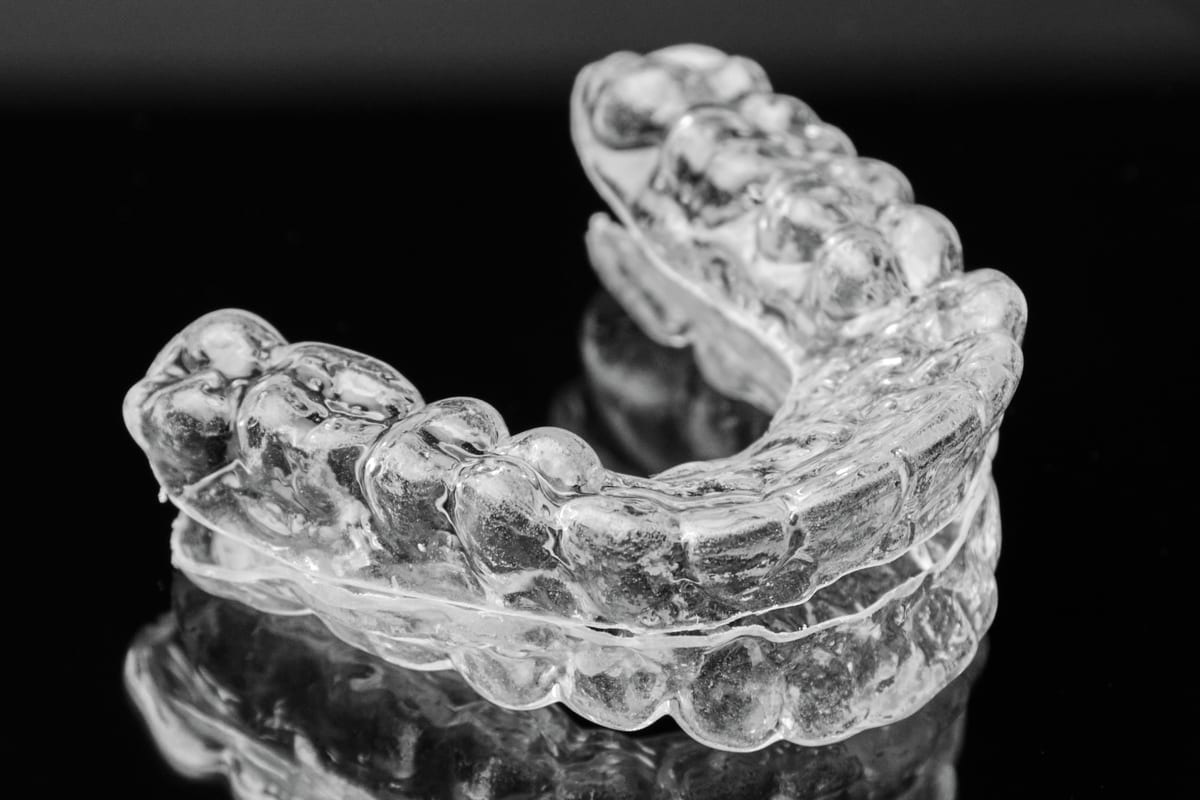
Your dentist custom-fabricates a set of thin, flexible trays that fit precisely over your teeth. You fill these trays with a professional-strength bleaching gel (typically 10%–22% carbamide peroxide) and wear them for 30 minutes to several hours each day, or overnight, depending on the formula. Most patients see noticeable results within one to two weeks. These kits typically cost between $200 and $600 and offer a good balance of effectiveness and convenience.
3. Over-the-Counter Whitening Products
Drugstore whitening strips, paint-on gels, whitening toothpastes, and LED whitening kits are widely available and affordable — usually ranging from $20 to $100. They're a practical choice for maintaining results after a professional treatment or for very mild discoloration. However, because one-size-fits-all trays don't seal as precisely as custom trays, some whitening gel can leak onto the gums, potentially causing irritation. Look for the ADA Seal of Acceptance when choosing an OTC product.
4. Natural and Charcoal-Based Whitening
Activated charcoal toothpastes and oil pulling have surged in popularity on social media, but the evidence for their effectiveness is limited. The American Dental Association cautions that activated charcoal products can be overly abrasive and may actually wear down enamel over time, leading to increased sensitivity and a more yellow appearance (since thinner enamel reveals the dentin beneath). These methods are best used sparingly, if at all.
Is Teeth Whitening Safe?
When performed correctly, teeth whitening is considered safe for most adults. That said, it's important to have realistic expectations and to be aware of potential side effects.
Common Side Effects and How to Minimize Them
The two most frequently reported side effects of tooth whitening are temporary tooth sensitivity and gum irritation. Sensitivity occurs because the bleaching agents temporarily increase the permeability of enamel, exposing the nerve endings inside the tooth. This is usually mild and resolves within 24–72 hours after treatment. Using a toothpaste formulated for sensitive teeth (containing potassium nitrate or stannous fluoride) before, during, and after treatment can significantly reduce discomfort. Gum irritation is typically caused by bleaching gel coming into contact with soft tissue, which is far less likely when using custom-fitted professional trays.
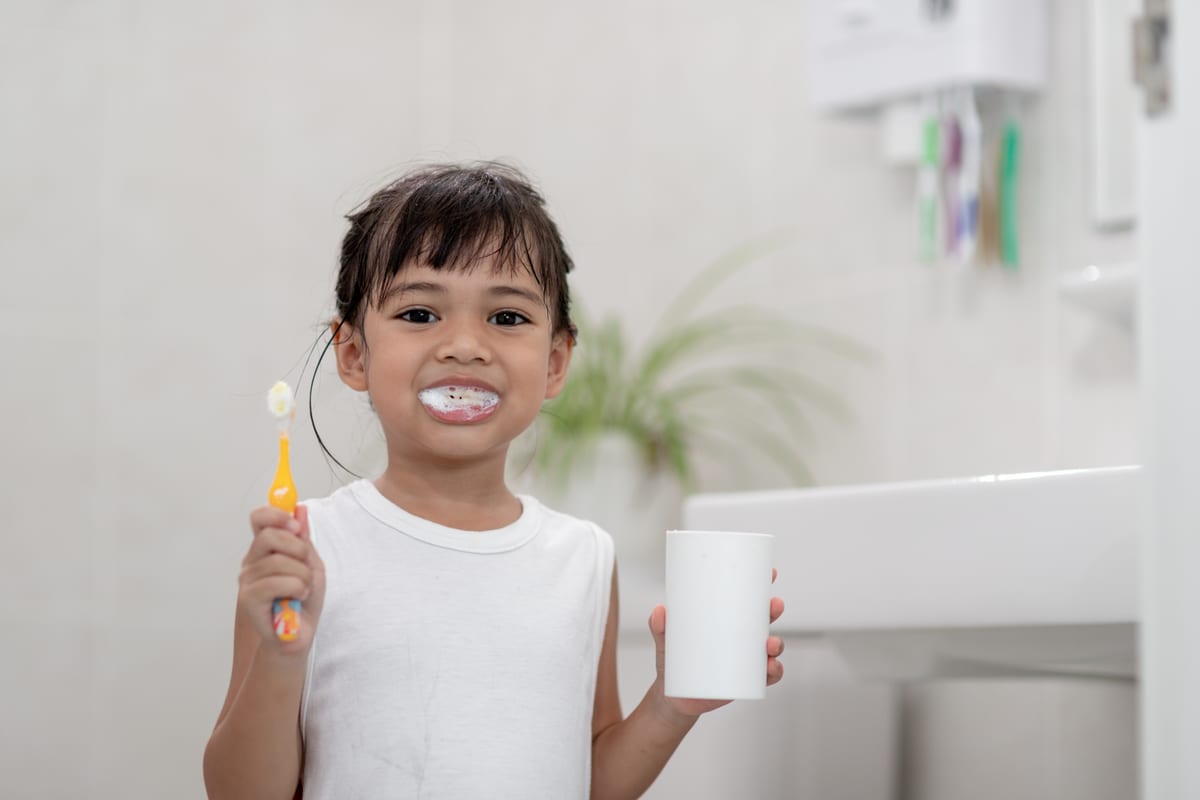
Teeth whitening is not recommended for children under 16, pregnant or breastfeeding women, or individuals with untreated cavities, gum disease, exposed roots, or extremely sensitive teeth. Always consult your dentist before starting any whitening regimen to ensure your oral health is in good shape first.
How Long Do Teeth Whitening Results Last?
This is one of the most common questions patients ask. Results from professional in-office whitening can last anywhere from one to three years, depending on your lifestyle habits. Frequent consumption of staining foods and beverages (coffee, tea, red wine, berries, tomato sauce) and tobacco use will shorten the longevity of your results considerably. Here are some tips to keep your smile looking its best:
- Rinse your mouth with water immediately after consuming staining foods or drinks.
- Use a whitening toothpaste two to three times per week for maintenance.
- Schedule a professional touch-up every 12–18 months.
- Avoid smoking or using any tobacco products.
- Drink coffee and tea through a straw to minimize contact with teeth.
Teeth Whitening vs. Other Cosmetic Dental Options
Teeth whitening is a powerful tool, but it isn't the right solution for every smile concern. If your discoloration is caused by intrinsic staining, structural damage, or uneven tooth shape, your cosmetic dentist may recommend alternative or complementary treatments:
- Porcelain Veneers: Ultra-thin shells bonded to the front of teeth that can correct color, shape, and size simultaneously. Cost: $900–$2,500 per tooth in 2026.
- Dental Bonding: A tooth-colored composite resin applied to teeth to cover stains or chips. More affordable than veneers at $300–$600 per tooth, though less durable.
- Smile Makeovers: A comprehensive cosmetic plan combining multiple treatments for total smile transformation.
A qualified cosmetic dentist will evaluate your teeth and recommend the most effective path to your smile goals during a consultation.
Frequently Asked Questions
Does teeth whitening damage enamel?
When used as directed, professional teeth whitening does not permanently damage enamel. Research published in the Journal of Dentistry confirms that ADA-approved bleaching agents do not measurably alter enamel hardness or structure. Overuse of high-concentration products or excessive use of abrasive OTC products, however, can cause long-term enamel wear.
How much does teeth whitening cost in 2026?
Costs vary widely by method: in-office professional whitening averages $400–$1,200; take-home professional kits range from $200–$600; and over-the-counter products typically cost $20–$100. Most dental insurance plans classify teeth whitening as a cosmetic procedure and do not provide coverage, though some dental savings plans offer discounts.
Can I whiten teeth with crowns, veneers, or fillings?
Bleaching agents only work on natural tooth enamel. Existing crowns, veneers, dental bonding, and tooth-colored fillings will not change color during whitening. If you have visible restorations on your front teeth, speak with your cosmetic dentist about the best approach to achieving a consistent, uniform shade.
How often can I whiten my teeth?
For in-office treatments, most dentists recommend no more than one to two sessions per year. For take-home trays, follow your dentist's specific instructions — typically one treatment cycle every 6–12 months. Over-whitening can cause enamel erosion, increased sensitivity, and an unnatural, translucent appearance known as "over-bleaching."
Is teeth whitening suitable for sensitive teeth?
Yes, but with precautions. Many professional whitening systems now offer formulas specifically designed for sensitive teeth, using lower peroxide concentrations combined with desensitizing agents like potassium nitrate or fluoride. Discuss your sensitivity levels with your dentist, who can tailor the treatment concentration and duration to minimize discomfort.
At what age can I start whitening my teeth?
Most dental professionals recommend waiting until at least age 16, when the permanent teeth are fully erupted and the pulp chambers have adequately matured. Whitening younger children's teeth is generally discouraged due to the larger pulp size, which can increase sensitivity and potential nerve irritation.
The Bottom Line
Understanding what is teeth whitening — from the science behind how it works to the wide range of treatment options available — empowers you to make smarter, safer choices for your smile. Whether you opt for a fast in-office treatment, a convenient take-home kit, or a maintenance routine with quality OTC products, the key is to start with a professional evaluation to ensure you're choosing the right method for your unique dental needs. A brighter smile can genuinely boost confidence, and in 2026, achieving it has never been more accessible or effective. Ready to take the next step? Explore top-rated cosmetic dentists in your area and compare your best options at Top5CosmeticDentist.com — your trusted resource for finding expert cosmetic dental care near you.