A brighter, whiter smile is one of the most searched cosmetic goals in 2026 — and for good reason. Knowing how to whiten teeth at home safely and effectively can save you hundreds of dollars while still delivering a noticeably improved smile. But with dozens of products flooding the market — from drugstore whitening strips to LED light kits and charcoal pastes — it's easy to feel overwhelmed, or worse, end up damaging your enamel. This guide cuts through the noise with dentist-backed advice, real cost comparisons, and clear guidance on when a professional touch is worth the investment.
Understanding How Tooth Whitening Actually Works
Before you choose a product, it helps to understand the science behind whiter teeth. Tooth discolouration falls into two categories: extrinsic stains (surface-level, caused by coffee, tea, red wine, and tobacco) and intrinsic stains (deeper, within the tooth structure, often caused by ageing, certain medications, or trauma). At-home whitening products are most effective on extrinsic stains.
The Role of Hydrogen Peroxide and Carbamide Peroxide
Most effective whitening products rely on either hydrogen peroxide or carbamide peroxide as their active ingredient. These bleaching agents penetrate the outer enamel layer and break apart the chemical bonds that cause staining. Over-the-counter (OTC) products in 2026 typically contain between 3% and 10% hydrogen peroxide — lower than the 25–40% concentrations used in professional, in-office treatments. This means home treatments are gentler but require more consistency to see results.
What At-Home Products Cannot Fix
It's important to set realistic expectations. At-home whitening kits will not lighten dental crowns, veneers, or bonding — these restorations do not respond to peroxide. Intrinsic stains caused by tetracycline antibiotics or fluorosis are also largely resistant to OTC bleaching. If you're dealing with these issues, a consultation with a cosmetic dentist is strongly recommended.
The Best At-Home Teeth Whitening Methods in 2026
Not all whitening methods are created equal. Here's an honest breakdown of the most popular options, ranked by effectiveness and safety.
Whitening Strips
Whitening strips remain one of the most clinically validated at-home options available. Brands like Crest 3D Whitestrips and Oral-B Whitening Strips use thin, flexible strips coated in peroxide gel that mould to your teeth. In 2026, a quality 28-strip kit typically costs between $35 and $55. Most users see results within 10–14 days of consistent use. For best results, apply strips to dry teeth and avoid eating or drinking (except water) for at least 30 minutes after use. The main downside: strips can miss the gaps between teeth and may cause temporary sensitivity.
Custom Whitening Trays (Dentist-Prescribed, Used at Home)
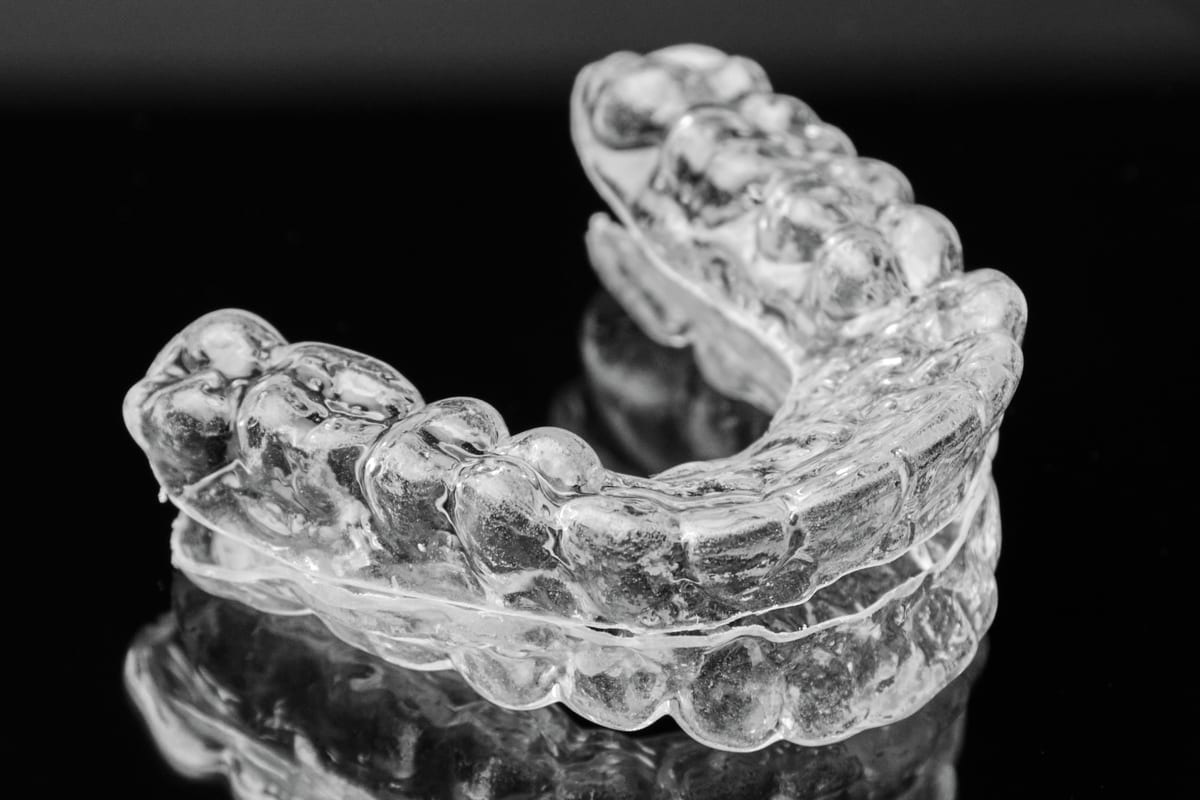
One of the most effective ways to whiten teeth at home is with custom-fitted whitening trays provided by your dentist. Unlike generic boil-and-bite trays sold in stores, custom trays are moulded precisely to your teeth, ensuring even gel distribution and minimal gum contact. Your dentist fills these with a higher-concentration gel (typically 10–22% carbamide peroxide). The cost in 2026 ranges from $200 to $400 for the tray and initial gel supply, with refill syringes costing $20–$40 each. This hybrid approach gives you professional-grade results from the comfort of your own home.
LED Whitening Kits
LED whitening kits have surged in popularity, combining a peroxide gel with a blue-light accelerator device. While the LED light itself doesn't bleach teeth, it can help activate the gel and potentially speed up the whitening process. Mid-range kits from brands like GLO Science or Snow Teeth Whitening run between $80 and $150. Results are comparable to strips for surface stains, though some studies suggest the added benefit of LED light beyond peroxide alone is modest. Still, many users prefer the experience and the full-mouth tray coverage these kits provide.
Natural Teeth Whitening Remedies: What Actually Works?
A quick scroll through social media will surface dozens of "natural" whitening hacks — oil pulling, activated charcoal, baking soda, and turmeric are among the most popular. So what does the evidence say?
Baking Soda: The One Natural Option With Real Evidence
Sodium bicarbonate (baking soda) is a mild abrasive that has genuine whitening evidence behind it. A 2023 meta-analysis confirmed that toothpastes containing baking soda were significantly more effective at removing surface stains than non-baking-soda formulas. Using a baking soda toothpaste a few times per week is a safe addition to your whitening routine. Brands like Arm & Hammer Advance White cost under $5 and are widely available.
Activated Charcoal and Oil Pulling: Proceed With Caution
Activated charcoal products are aggressively marketed but lack strong clinical evidence. Worse, charcoal can be highly abrasive — regular use risks wearing down enamel over time, which is irreversible. Oil pulling (swishing coconut or sesame oil for 15–20 minutes) has some anecdotal support for improving oral hygiene but minimal evidence for meaningful whitening. Save your time and stick to proven methods.
Safety Tips: How to Whiten Teeth at Home Without Damaging Them
The biggest risk with DIY whitening isn't ineffectiveness — it's overuse. Sensitivity and enamel erosion are real concerns when products are misused. Here's how to protect yourself:
- Follow instructions precisely. Leaving whitening gel on longer than directed doesn't accelerate results — it increases the risk of sensitivity and gum irritation.
- Use a sensitivity toothpaste. Products containing potassium nitrate or stannous fluoride (e.g., Sensodyne) can be used before and during a whitening course to reduce discomfort.
- Don't whiten every day indefinitely. Most whitening courses should be limited to 2–4 weeks, followed by a break. Maintenance touch-ups every 3–6 months are typically sufficient.
- Address decay first. Whitening gel on a cavity or around a cracked filling can cause significant pain. Get a dental check-up before starting any whitening regimen.
- Avoid whitening if pregnant or breastfeeding. The safety of peroxide-based products during pregnancy hasn't been fully established — most dentists recommend waiting.
When At-Home Whitening Isn't Enough: Exploring Professional Options
Sometimes the staining is too deep, too stubborn, or too widespread for OTC products to address. In these cases, professional cosmetic dentistry offers more powerful — and longer-lasting — solutions.
In-Office Bleaching Treatments
Professional in-office whitening treatments, such as Zoom! or KöR Whitening, use high-concentration peroxide gels activated by a specialised light or laser. A single 60–90 minute session can lighten teeth by 6–10 shades — a result that would take weeks to achieve at home. In 2026, in-office whitening typically costs between $300 and $800 depending on the practice and system used.
Porcelain Veneers and Dental Bonding for Stubborn Stains
For teeth with intrinsic discolouration, structural damage, or stains that simply won't respond to bleaching, porcelain veneers or dental bonding offer a permanent cosmetic solution. Veneers are ultra-thin shells of dental porcelain custom-crafted to cover the front surface of teeth, delivering a flawless, permanently white result. Bonding is a more affordable option using tooth-coloured composite resin. A cosmetic dentist can advise which is right for your specific situation.
Frequently Asked Questions
How long does it take to whiten teeth at home?
Most at-home whitening products require consistent daily use over 10 to 21 days before you see significant results. Whitening strips used twice daily typically show noticeable improvement within 1–2 weeks. Custom dentist trays with stronger gel may show results slightly faster. Patience and consistency are key — skipping days will extend your timeline.
Are at-home whitening kits safe for sensitive teeth?
Yes, but with precautions. If you already have sensitive teeth, opt for lower-concentration products (3–6% hydrogen peroxide), use a sensitivity toothpaste, and limit application time. Many brands now offer "sensitive" versions of their kits. If sensitivity persists or becomes painful, stop use and consult your dentist. Custom trays from your dentist also minimise gel contact with gums, reducing irritation.
How much does at-home teeth whitening cost in 2026?
Costs vary widely by method: whitening toothpaste runs $5–$15, whitening strips cost $35–$55 per kit, and LED kits range from $80–$150. Dentist-prescribed custom trays cost $200–$400 upfront but offer superior results and reusable trays. Compare this to in-office whitening at $300–$800, and the at-home options represent significant savings for mild-to-moderate staining.
How often should I whiten my teeth at home?
A standard whitening course should be completed no more than once or twice per year for most people. After your initial course, maintenance strips or toothpaste used a few times per week can help preserve your results. Over-whitening is a real risk — excessive bleaching can weaken enamel and cause permanent sensitivity.
Can whitening strips damage enamel?
When used as directed, whitening strips approved by the ADA (American Dental Association) are considered safe and do not significantly damage enamel. The risk increases with overuse or leaving strips on far longer than recommended. Look for products with the ADA Seal of Acceptance for added assurance of safety and efficacy.
What foods and drinks should I avoid after whitening my teeth?
For at least 48–72 hours after whitening, avoid foods and drinks that can re-stain your newly bleached teeth. This includes coffee, tea, red wine, dark berries, soy sauce, and tomato-based sauces. Also avoid tobacco products. This period — often called the "white diet" window — is when your enamel pores are most open and susceptible to new staining.
Conclusion: A Brighter Smile Is Within Reach
Learning how to whiten teeth at home safely is genuinely achievable with the right information and the right product for your needs. Whether you choose dentist-approved whitening strips, custom trays, or an LED kit, consistency and care are the keys to a lasting result. Just remember: at-home methods work best on extrinsic staining, and they're not a substitute for professional evaluation — especially if your teeth have underlying sensitivity, restorations, or deep discolouration. If you're ready to take your smile to the next level with professional guidance, or if you're considering options like veneers, bonding, or in-office whitening, explore the top-rated cosmetic dentists in your area at Top5CosmeticDentist.com. Your best smile in 2026 might be closer than you think.