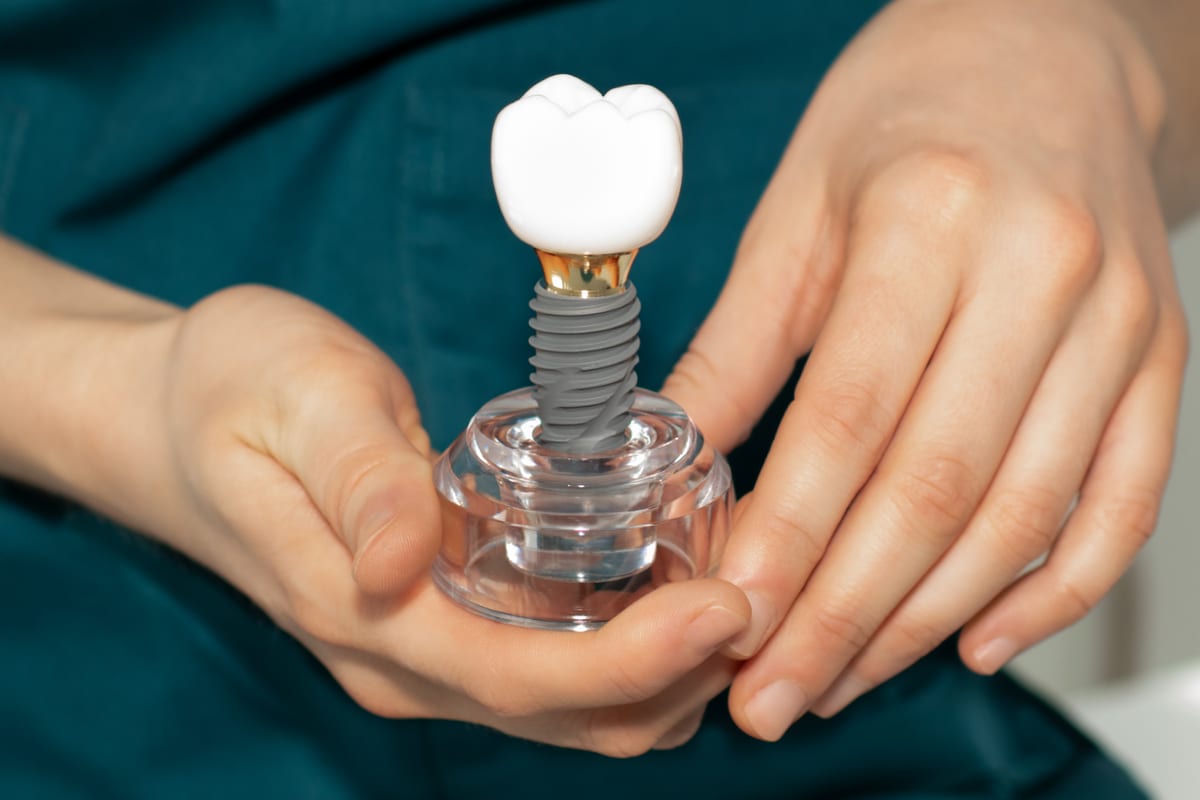
If you've ever wondered what are porcelain veneers and why they seem to be behind every dazzling celebrity smile, you're not alone. Porcelain veneers are ultra-thin, custom-crafted shells of dental-grade ceramic bonded permanently to the front surface of your teeth. They're one of the most popular and versatile cosmetic dentistry treatments available in 2026 — capable of masking chips, stains, gaps, and uneven edges in just two or three dental visits. Whether you're exploring a complete smile makeover or simply want to address one or two problem teeth, understanding exactly how veneers work is the essential first step.
How Porcelain Veneers Work: The Science Behind the Smile
Porcelain veneers succeed because of a combination of precision craftsmanship and advanced adhesive dentistry. Each veneer is typically between 0.3 mm and 0.7 mm thick — roughly the thickness of a contact lens — yet strong enough to withstand normal biting forces for a decade or more when properly cared for.
The material itself, dental-grade feldspathic porcelain or lithium disilicate (e‑max), mimics the way natural tooth enamel reflects light. This gives veneers their uniquely lifelike, luminous quality that composite resin bonding simply can't replicate at the same level.
Traditional Veneers vs. Minimal-Prep Veneers
Traditional porcelain veneers require your dentist to remove a small amount of enamel — usually 0.3–0.5 mm — from the tooth's front surface before bonding the veneer in place. This makes the procedure irreversible, which is an important consideration.
Minimal-prep or no-prep veneers (brand names like Lumineers® fall into this category) require little to no enamel reduction. They're thinner and better suited to patients with smaller teeth or mild cosmetic concerns. However, they can sometimes appear slightly bulkier and may not be the right option for everyone. Your cosmetic dentist will help you decide which type fits your anatomy and goals.
What Cosmetic Problems Can Porcelain Veneers Fix?
One of the biggest reasons dental veneers have become a cornerstone of modern cosmetic dentistry is their incredible versatility. A single treatment can address multiple aesthetic issues simultaneously — making them far more efficient than tackling each problem separately.
Porcelain veneers are commonly used to correct:
- Severe or intrinsic tooth discoloration that doesn't respond to professional teeth whitening (e.g., tetracycline staining or fluorosis)
- Chipped or cracked teeth — veneers restore shape and protect the underlying tooth structure
- Gaps between teeth (diastema) without the need for orthodontic treatment
- Mildly misaligned or uneven teeth — often called "instant orthodontics"
- Worn-down teeth caused by grinding (bruxism) or acid erosion
- Irregularly shaped or undersized teeth that affect smile symmetry
It's worth noting that veneers are a cosmetic solution, not a structural one. If a tooth has significant decay, a large existing filling, or compromised gum health, your dentist may recommend a dental crown or other restorative treatment first.
Are You a Good Candidate for Veneers?
Ideal candidates for porcelain veneers are adults with healthy gums and sufficient enamel who want to improve the appearance of their smile. You may not be a candidate if you grind your teeth severely (without committing to wearing a night guard), have active gum disease, or significant tooth decay. A thorough consultation with a qualified cosmetic dentist — including X-rays and a full oral health assessment — is the only way to know for certain.
The Porcelain Veneer Procedure: Step by Step
Understanding the process from start to finish helps set realistic expectations and reduces any pre-appointment anxiety. Here's what a typical porcelain veneer journey looks like in 2026:
- Consultation & Smile Design (Visit 1): Your dentist evaluates your oral health, discusses your smile goals, takes photographs, and may use digital smile design software or 3D mock-ups so you can preview your results before committing.
- Tooth Preparation & Impressions (Visit 2): A thin layer of enamel is gently removed. Digital impressions (or traditional moulds) are sent to a dental laboratory. Temporary veneers are placed to protect your prepared teeth while your permanent ones are being crafted — typically a 1–2 week turnaround.
- Bonding & Final Placement (Visit 3): Your dentist trials each veneer for fit, shape, and colour. Once you're both satisfied, a special light-activated dental cement bonds the veneers permanently to your teeth. Final adjustments are made to your bite.
The entire process typically spans 2–4 weeks, making it one of the faster routes to a dramatically transformed smile.
Porcelain Veneers Cost in 2026: What to Budget
Cost is one of the most common concerns for patients considering veneers. In the United States in 2026, porcelain veneers typically cost between $1,000 and $2,500 per tooth, depending on factors like the dentist's experience and geographic location, the type of porcelain used, and how many teeth are being treated.
A full set of veneers covering the upper six to eight "smile teeth" will generally range from $6,000 to $20,000 in total. Because veneers are considered a cosmetic procedure, they are not covered by most dental insurance plans. However, many cosmetic dental practices offer:
- In-house financing or payment plans
- Third-party financing options (e.g., CareCredit or Lending Club)
- Multi-veneer package discounts
How Long Do Porcelain Veneers Last?
With proper care, high-quality porcelain veneers last an average of 10–20 years before needing replacement — and some patients report their veneers looking great well beyond that. Longevity is maximised by brushing twice daily with a non-abrasive toothpaste, flossing regularly, wearing a custom night guard if you grind your teeth, and attending routine dental check-ups every six months. Avoiding habits like biting fingernails, chewing ice, or using your teeth to open packaging also makes a significant difference.
Porcelain Veneers vs. Other Cosmetic Dental Treatments
It helps to understand where veneers sit in the broader landscape of cosmetic dental options so you can make an informed choice:
- Teeth Whitening: The most affordable option ($300–$800 professionally), but only addresses colour — not shape, chips, or gaps. Results also fade over time.
- Dental Bonding: A cost-effective, single-visit fix ($300–$600 per tooth) for minor chips and small gaps using composite resin. Less durable and stain-resistant than porcelain; typically lasts 5–7 years.
- Dental Crowns: Cover the entire tooth rather than just the front surface. Recommended when a tooth is structurally compromised. More invasive than veneers.
- Invisalign / Clear Aligners: The right choice when misalignment is the primary concern, as they actually move teeth into correct positions — but they don't address colour or shape.
Porcelain veneers occupy a powerful middle ground: they deliver dramatic, lasting cosmetic improvements that whitening and bonding can't match, without the full tooth reduction required by a crown.
Frequently Asked Questions
Do porcelain veneers look natural?
Yes — when designed by a skilled cosmetic dentist, porcelain veneers are virtually indistinguishable from natural teeth. High-quality dental porcelain mimics the translucency and light-reflective properties of real enamel. Shade, shape, and size are all custom-matched to complement your facial features and remaining teeth.
Is the veneer procedure painful?
Most patients report minimal discomfort. Your dentist will use local anaesthetic during the tooth preparation stage, so you shouldn't feel pain during the procedure itself. Some sensitivity to hot and cold is common for a few days after placement as your teeth adjust, but this typically resolves quickly.
Can porcelain veneers be whitened if they stain?
No — porcelain veneers cannot be whitened with bleaching agents. However, the good news is that high-quality dental porcelain is highly stain-resistant compared to natural enamel or composite resin. The shade you choose at the outset is the shade you keep. If you plan to whiten your natural teeth, do so before your veneers are made so your dentist can match them to your desired tooth colour.
What are porcelain veneers made of exactly?
Dental veneers are most commonly made from feldspathic porcelain or lithium disilicate (often marketed as e.max). Both are biocompatible, durable ceramic materials. Some lower-cost alternatives use composite resin, but these are technically "composite veneers" rather than porcelain — they're less durable and more prone to staining over time.
How do I find a qualified cosmetic dentist for veneers?
Look for a dentist with specific training or accreditation in cosmetic dentistry (such as membership with the American Academy of Cosmetic Dentistry), a strong portfolio of before-and-after cases, and positive verified patient reviews. Don't be afraid to ask about their experience with veneers specifically and request to see real patient photographs from their own practice.
Are there any risks or downsides to porcelain veneers?
The main consideration is that traditional veneers are irreversible — once enamel is removed, you'll always need some form of veneer or crown on those teeth. Veneers can also chip or crack under excessive force, and a veneer that debonds will need professional re-bonding. They're a long-term investment that requires commitment to good oral hygiene and regular dental visits.
Ready to Transform Your Smile?
Porcelain veneers remain one of the most effective, natural-looking, and long-lasting ways to achieve the confident, radiant smile you've always wanted. From correcting stubborn stains and chips to reshaping and realigning your smile in weeks rather than months, they offer a compelling combination of aesthetics and durability that few cosmetic treatments can match. The key is choosing the right cosmetic dentist — someone with the artistry, technology, and experience to craft veneers that look and feel completely natural.
Ready to take the next step? Visit Top5CosmeticDentist.com to browse our curated list of top-rated cosmetic dentists near you, compare credentials and patient reviews, and book a consultation with confidence. Your best smile is closer than you think.